We're working on an adaptation of A Turn of the Screw by Henry James.

Now the remarkable thing that Henry James did was to take horror as a genre and move it from exotic countries and gothic mansions to the English country side. He took ghosts and put them in the home with the children. OOOO CREEPY!


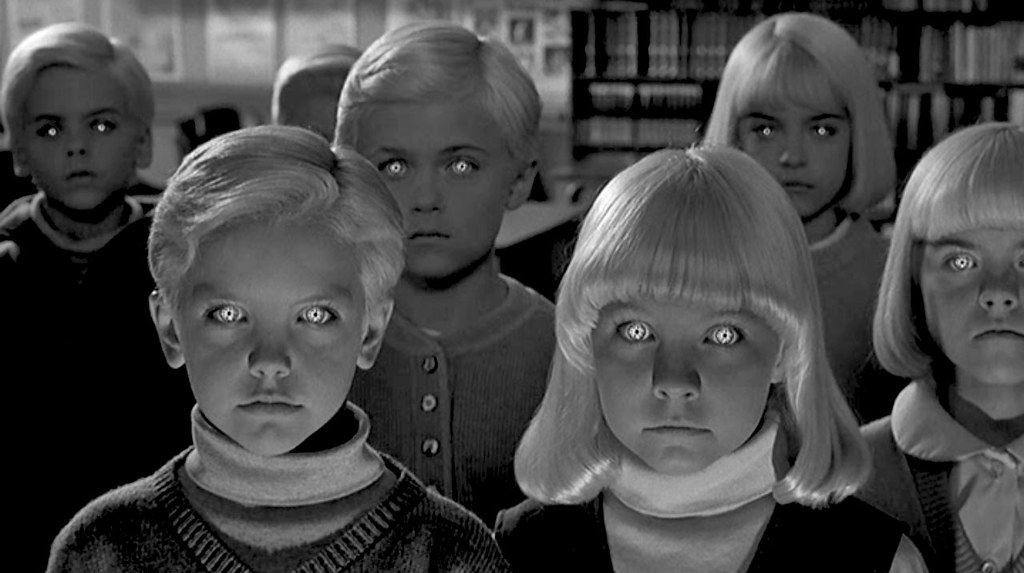


Ghosts and Such
It's the story of a Governess as told through frames: her initial biographical manuscript of the events of her first governess job, which was given you a young man years later who loved her, which he shared years after her death as a scary christmas ghost story with a friend (our narrator) and guests. This governess worked in an isolated mansion as lady of the house in all but name where she cared for two children (a boy and a girl) who she believes to have been haunted or chased after by or in league with two ghosts.
Now the remarkable thing that Henry James did was to take horror as a genre and move it from exotic countries and gothic mansions to the English country side. He took ghosts and put them in the home with the children. OOOO CREEPY!

Seriously tho...like Hitchcock only he's staring into my soul
In fact, in the story the middle narrator (the man with the manuscript) actually gives the book it's title by remarking that the last ghost story told had a child in it, but he would give us "another turn of the screw"--meaning a heightening of the suspense and creep factor--by telling us a ghost story with two children.
The descendants of this trope are probably familiar to most of us: I mean creepy, possibly possessed, possessed, and otherwise terrifying children in horror stories.
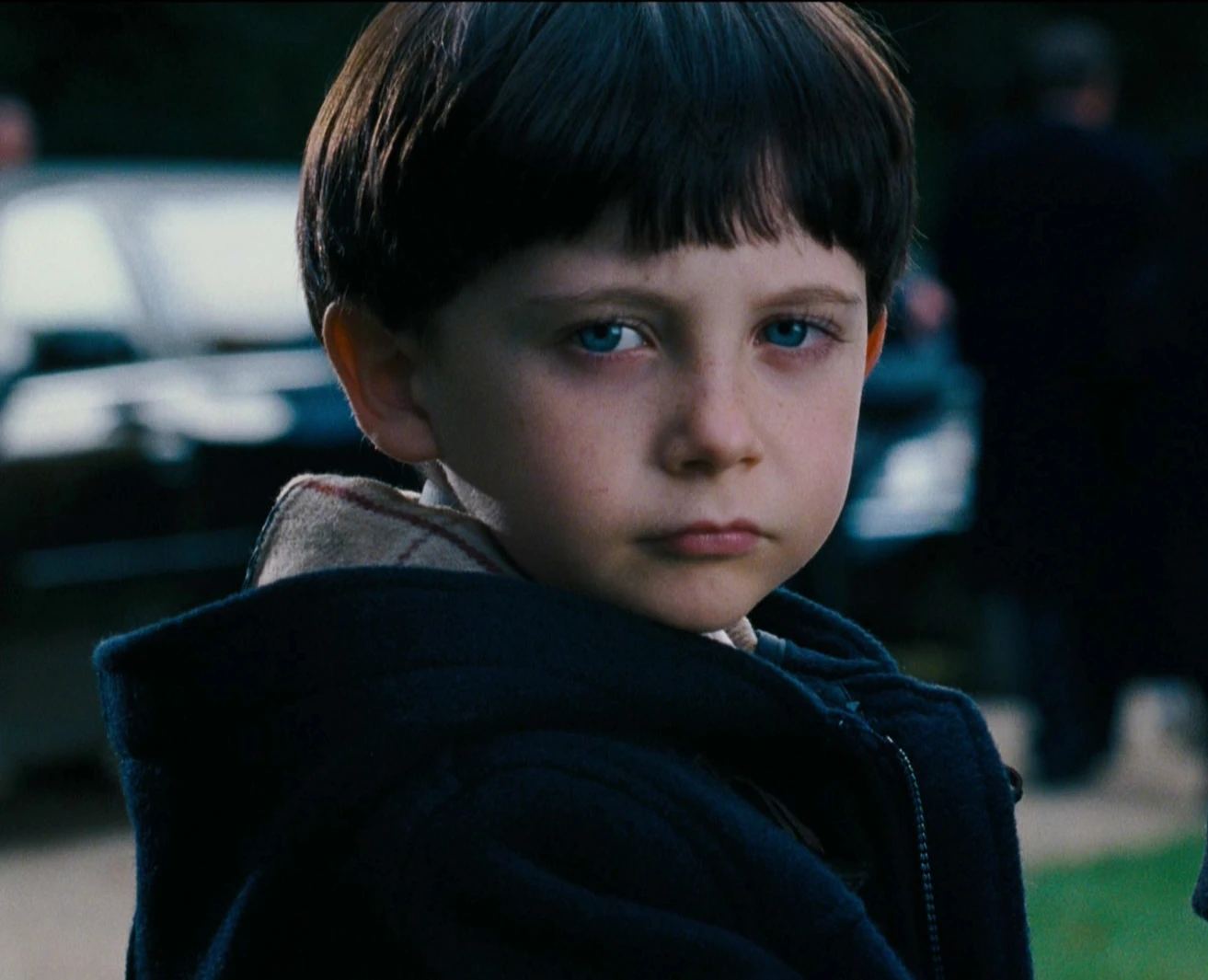


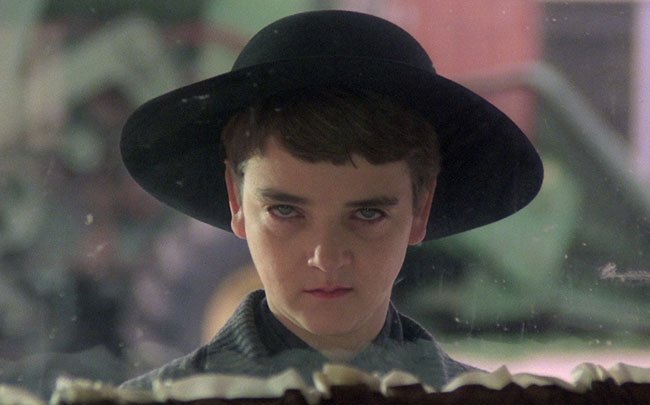
Ok enough: point taken--CHILDREN CAN BE CREEPY!!!! EVIL LITTLE CREEPY THINGS THAT KILL YOU! RUN RUN AWAY! TRAPPED, WE'RE TRAPPED LIKE RATS, THE CHILDREN!! NOOO!!
ok, ok, we're ok.
Maybe.
But even creepier probably is happy evil children.
For example--if you get a chance, watch the original 1973 Wicker Man. Those happy kids are so creepy. [too be fair it's really just creepy how happy they are when he's all "do you know this missing, clearly missing child?" and they're like "No" =D]
But in Turn of the Screw the children are over and over again referred to as angelic and beautiful and perfect and lovely and how could there be anything wrong with them? It's creepy.
What is my point?
We're adapting this sucker and one of the most interesting facets to me is the isolation of this woman. All day the governess is with these two perfect, perfect children. And we're never sure, because she can't talk about the evil--which is too horrible to utter--that she is certain she sees closing in around them. Isolation--another excellent horror story trope.
After all, scary stories are much less scary in the daylight when you're surrounded by people and not at night, virtually alone next to a fire or in your bed, with a small girl nearby who keeps getting out of bed after midnight to stare fixedly out a window. >.>''
So in this adaptation there are some questions that we've been mulling over.
First--what's the dramatic question?
Meaning here--what is it that we all want to know the answer to? Audience, Actors, Directors, Characters.
So far it seems like: Is the Governess Right? or Can she Save the Children?
It seems very important to the governess that we know that she was right even though she did not feel able to act on her convictions except indirectly through most of the story. She talks about not speaking to the children about the ghosts, but also knowing that they knew about the ghosts and that they knew that she knew and that we were all pretending not to know together. But the book is written so obliquely. The story is told so indirectly that it's hard to even know exactly what the malady is that she perceives the children under except that they are corrupted into duplicitousness by these spirits and must be saved.
The girl, Flora, goes into some kind of fit after the governess finally calls her out on the ghost's presence, and the governess and housemaid send Flora away.
The climax of the play is about whether or not she can save the boy, the elder child: Miles by getting him to confess to, I guess, consorting with the ghosts.
Yeah... it doesn't go so well.
Spoiler--the governess doesn't save Miles. He dies of a heart attack--seemingly. Unless. the governess hugs him to death. Again, it's unclear.
The cool thing about the lack of clarity is that we get to make some choices in our adaptation. We get to choose what's the most important dramatic query. We get to pick the most important events.
So here's to that!
More inquiries and experiments to follow! Also a post on finding a place to put this sucker up =D Locations!

No comments:
Post a Comment