Dante Gabriel Rosetti wrote in a letter that Wuthering Heights--the first novel he'd read in a while was:
"The action is laid in hell, — only it seems places and people have English names there."
I would argue that the infamous quote: "Hell is other people" applies.
The moors are certainly desolate and so are the houses, but they exist as a social space. Like Sartre's famous play (No Exit), these characters are isolated and confined. They isolate, confine, and define each other through the story.

It's like a room full of mirrors in which the characters reflect their pain and then try to smash each other over and over in order to stop it. Everyone thinking that destroying the fiend will create happiness.
Where is the fiend?
Every character attributes the fiend to someone outside themselves that they cannot escape.
Now this is the first time that I have read Wuthering Heights and I admit that I was baffled most of the way through the book. Everything that I knew about it before I read it was that it was a tragic love story between Catherine and Heathcliff. So it was confusing to be to begin with neither one of them, but with Lockwood and Nelly Dean.

What kind of fiend is Heathcliff?
But who is asking this question? Why is this question foremost in the narrative?
Then I reached an interesting moment:
When Heathcliff kidnaps Cathy Linton and Nelly Dean to force Cathy to marry Linton Heathcliff. Nelly remarks that all night she believed that none of this would have happened if she had been able to carry out her duties properly. And she's talking all of it. From the moment of child Heathcliff's arrival at Withering Heights to the kidnapping.
Why is this interesting to me?
Because Nelly actually narrates the whole story, frames every action and speech given by the Earnshaws, the Lintons, and the Heathcliffs. She frames the story and she is a primary character. The wikipedia character relationship chart mistakenly calls her an "observer" in the story. But she is a primary mover.
She keeps characters apart, allows them together, carries tales, doesn't carry tales, she chaperones, she provides opportunities for things to happen. She counsels characters, chides them, she influences characters.
She is a lynch pin in the whole narrative, without whom the story could not happen.
She could have told Heathcliff that Cathy loved him when she knew that he left after she said marrying him would leave them poor and degraded though she loved him as her own soul and would sacrifice marrying Linton to advance him in life. Important moments, y'all.
And only ONCE does she question her own culpability in this tale. Frequently she asks from whence Heathcliff has come and how is he a fiend. She judges other characters actions and even excuses herself from culpability by pointing to her own feebleness of limb (couldn't run fast enough) or social trapitude (station as servant or the situation or the other character's incredible will).
She lies to the other characters to get them to obey: "Linton, try to love your father Heathcliff and he will love you".
She steals Cathy Linton's love letters from Linton Heathcliff.
She agrees to things she hates.
She verbally abuses in situations that she admits to seeing how it's caused by hurt and not bad character.
--at this point, I again feel that no character is without hurtful, awful actions in this book--
But I continue to come back to our narrator because she is the only prevailing character through the whole narrative. Much like Barbara--in Zoe Heller's Notes on a Scandal--Nelly Dean is a character who tells the story of a scandal outside of herself, claiming to be an observer. However, both Barbara and Nelly are far more embroiled than either admits to. Both characters take actions and push the tragic central characters into things through advice or action, while ignoring their part in it.
I find these kinds of narrators fascinating. Especially in this case because I've never heard anyone mention Nelly Dean. She made it through the whole story receiving minimum physical violence (unlike just about every other character) and without too much emotional violence directed at her. Yet she has her hands in everything!
Do we wish to be Catherines and Heathcliffs and Haretons because we believe ourselves to be Lockwoods and Deans and therefore observers?
What is the question I want to ask?
Why do we love Heathcliff and Catherine and Hareton in spite of their horrendous behavior?
Why do we ignore Nelly Dean? Why does Nelly forgive them?
I certainly think this story deserves its place in the cannon, but is it a love story? (subject for another blog post)
What kind of a story is it really? Why are we drawn to it and its cycles of violence?
Perhaps it's just that gorgeous english moor? or the homely horror of the hauntings of each tragic death?
It's definitely a haunting, violent, and troubling narrative--despite its "happy"? ending?
I leave you with my favorite piece of at inspired by Wuthering Heights--Kate Bush's music video of the same title.
"The action is laid in hell, — only it seems places and people have English names there."
I would argue that the infamous quote: "Hell is other people" applies.
Is hell the location of the story? The action of the story? Or the people of the story?
The moors are certainly desolate and so are the houses, but they exist as a social space. Like Sartre's famous play (No Exit), these characters are isolated and confined. They isolate, confine, and define each other through the story.
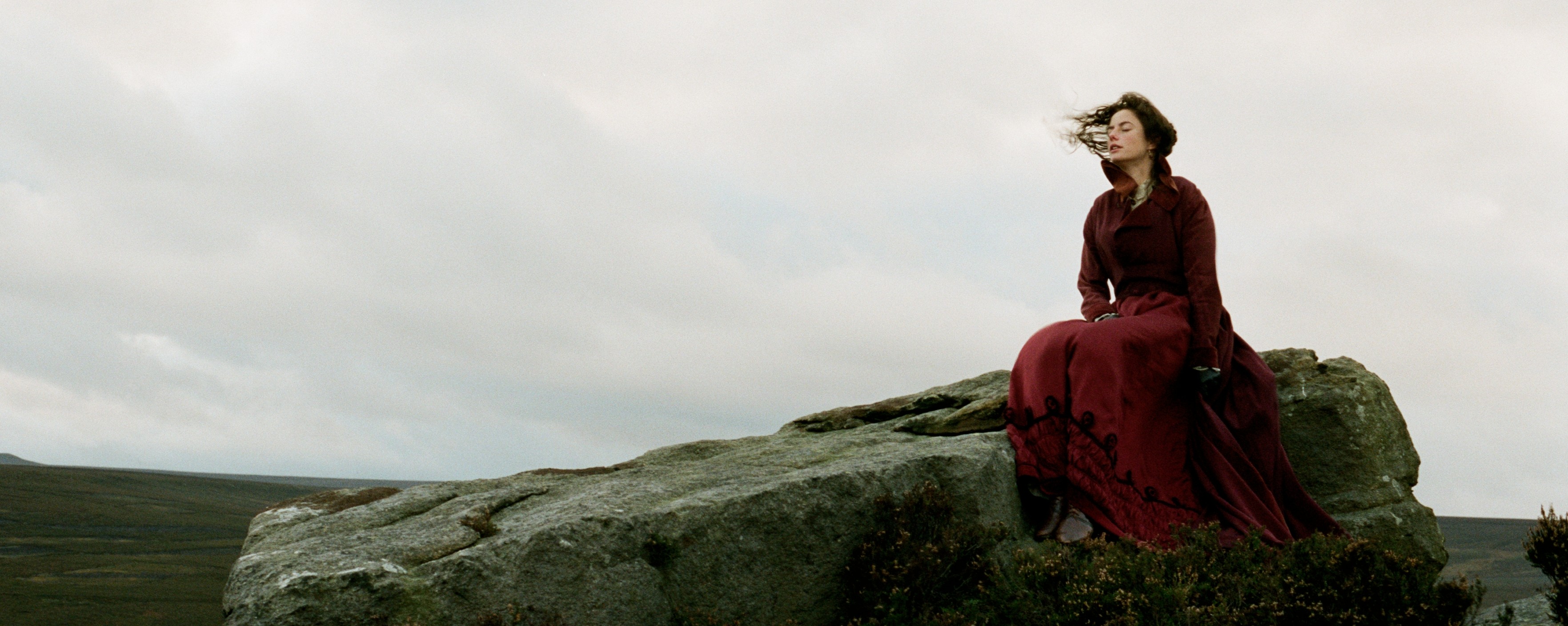
Ah, the English Moors . . .
It's like a room full of mirrors in which the characters reflect their pain and then try to smash each other over and over in order to stop it. Everyone thinking that destroying the fiend will create happiness.
Where is the fiend?
Every character attributes the fiend to someone outside themselves that they cannot escape.
Now this is the first time that I have read Wuthering Heights and I admit that I was baffled most of the way through the book. Everything that I knew about it before I read it was that it was a tragic love story between Catherine and Heathcliff. So it was confusing to be to begin with neither one of them, but with Lockwood and Nelly Dean.

Felt about like that.
Nelly Dean who has been present for the entirety of the story and relates it to Lockwood and through Lockwood to the reader.
I asked: Who is the protagonist?
It took me a while but the book actually spans the lifetime of Heathcliff (as Cathy herself dies half way through the book--at what wikipedia tells me is the end of the first volume). So I thought perhaps Heathcliff is the protagonist.
And throughout the narrative the question seems to be--what kind of a fiend is Heathcliff? This ferocious goblin of a man that old Mr. Earnshaw plucked from the streets of London and introduced into the bosom of his home igniting a chain of strife that only ends with Heathcliff's death.
But who is asking this question? Why is this question foremost in the narrative?
Then I reached an interesting moment:
When Heathcliff kidnaps Cathy Linton and Nelly Dean to force Cathy to marry Linton Heathcliff. Nelly remarks that all night she believed that none of this would have happened if she had been able to carry out her duties properly. And she's talking all of it. From the moment of child Heathcliff's arrival at Withering Heights to the kidnapping.
Why is this interesting to me?
Because Nelly actually narrates the whole story, frames every action and speech given by the Earnshaws, the Lintons, and the Heathcliffs. She frames the story and she is a primary character. The wikipedia character relationship chart mistakenly calls her an "observer" in the story. But she is a primary mover.
She keeps characters apart, allows them together, carries tales, doesn't carry tales, she chaperones, she provides opportunities for things to happen. She counsels characters, chides them, she influences characters.
She is a lynch pin in the whole narrative, without whom the story could not happen.
She could have told Heathcliff that Cathy loved him when she knew that he left after she said marrying him would leave them poor and degraded though she loved him as her own soul and would sacrifice marrying Linton to advance him in life. Important moments, y'all.
And only ONCE does she question her own culpability in this tale. Frequently she asks from whence Heathcliff has come and how is he a fiend. She judges other characters actions and even excuses herself from culpability by pointing to her own feebleness of limb (couldn't run fast enough) or social trapitude (station as servant or the situation or the other character's incredible will).
She lies to the other characters to get them to obey: "Linton, try to love your father Heathcliff and he will love you".
She steals Cathy Linton's love letters from Linton Heathcliff.
She agrees to things she hates.
She verbally abuses in situations that she admits to seeing how it's caused by hurt and not bad character.
--at this point, I again feel that no character is without hurtful, awful actions in this book--
But I continue to come back to our narrator because she is the only prevailing character through the whole narrative. Much like Barbara--in Zoe Heller's Notes on a Scandal--Nelly Dean is a character who tells the story of a scandal outside of herself, claiming to be an observer. However, both Barbara and Nelly are far more embroiled than either admits to. Both characters take actions and push the tragic central characters into things through advice or action, while ignoring their part in it.
I find these kinds of narrators fascinating. Especially in this case because I've never heard anyone mention Nelly Dean. She made it through the whole story receiving minimum physical violence (unlike just about every other character) and without too much emotional violence directed at her. Yet she has her hands in everything!
Do we wish to be Catherines and Heathcliffs and Haretons because we believe ourselves to be Lockwoods and Deans and therefore observers?
What is the question I want to ask?
Why do we love Heathcliff and Catherine and Hareton in spite of their horrendous behavior?
Why do we ignore Nelly Dean? Why does Nelly forgive them?
I certainly think this story deserves its place in the cannon, but is it a love story? (subject for another blog post)
What kind of a story is it really? Why are we drawn to it and its cycles of violence?
Perhaps it's just that gorgeous english moor? or the homely horror of the hauntings of each tragic death?
It's definitely a haunting, violent, and troubling narrative--despite its "happy"? ending?
I leave you with my favorite piece of at inspired by Wuthering Heights--Kate Bush's music video of the same title.

I am very enjoyed for this blog. Its an informative topic. It help me very much to solve some problems. Its opportunity are so fantastic and working style so speedy. I think it may be help all of you. Thanks a lot for enjoying essay writers this beauty blog with me. I am appreciating it very much! Looking forward to another great blog. Good luck to the author! all the best!
ReplyDelete